Why HTML5 Is Revolutionizing the RPG Games Experience Today
In the dynamic world of gaming, RPG games have always held a special allure, captivating players with intricate narratives and immersive worlds. The advent of HTML5 has fundamentally shifted the landscape of these games, introducing new dimensions of interactivity and accessibility. This article explores how HTML5 is transforming RPGs, making them more engaging and accessible than ever before.
The Essence of RPG Games
Role-playing games (RPGs) invite players to step into the shoes of their characters, immersing themselves in rich storylines. From classic turn-based systems to complex real-time strategies, the dynamics of RPGs vary widely. Key elements that define RPGs include:
- Character Development: Players grow their characters through experience points and skill trees.
- World-Building: Vast, detailed worlds encourage exploration and discovery.
- Choices and Consequences: Decisions impact the game's narrative direction.
The Rise of HTML5 Gaming
HTML5 has emerged as a game-changer in the digital landscape. Unlike its predecessors, HTML5 supports multimedia elements and is compatible across various devices. This flexibility means players can enjoy RPGs from desktops, tablets, and smartphones without compromises in performance.
Accessibility and Convenience
One of the main advantages of HTML5 RPG games is enhanced accessibility. Players no longer need to download hefty clients or worry about system requirements. Instead, they can simply load their favorite games in a browser. This convenience broadens the audience reach, particularly in regions with varying internet speeds, like Ecuador.
Enhanced Graphics and Audio
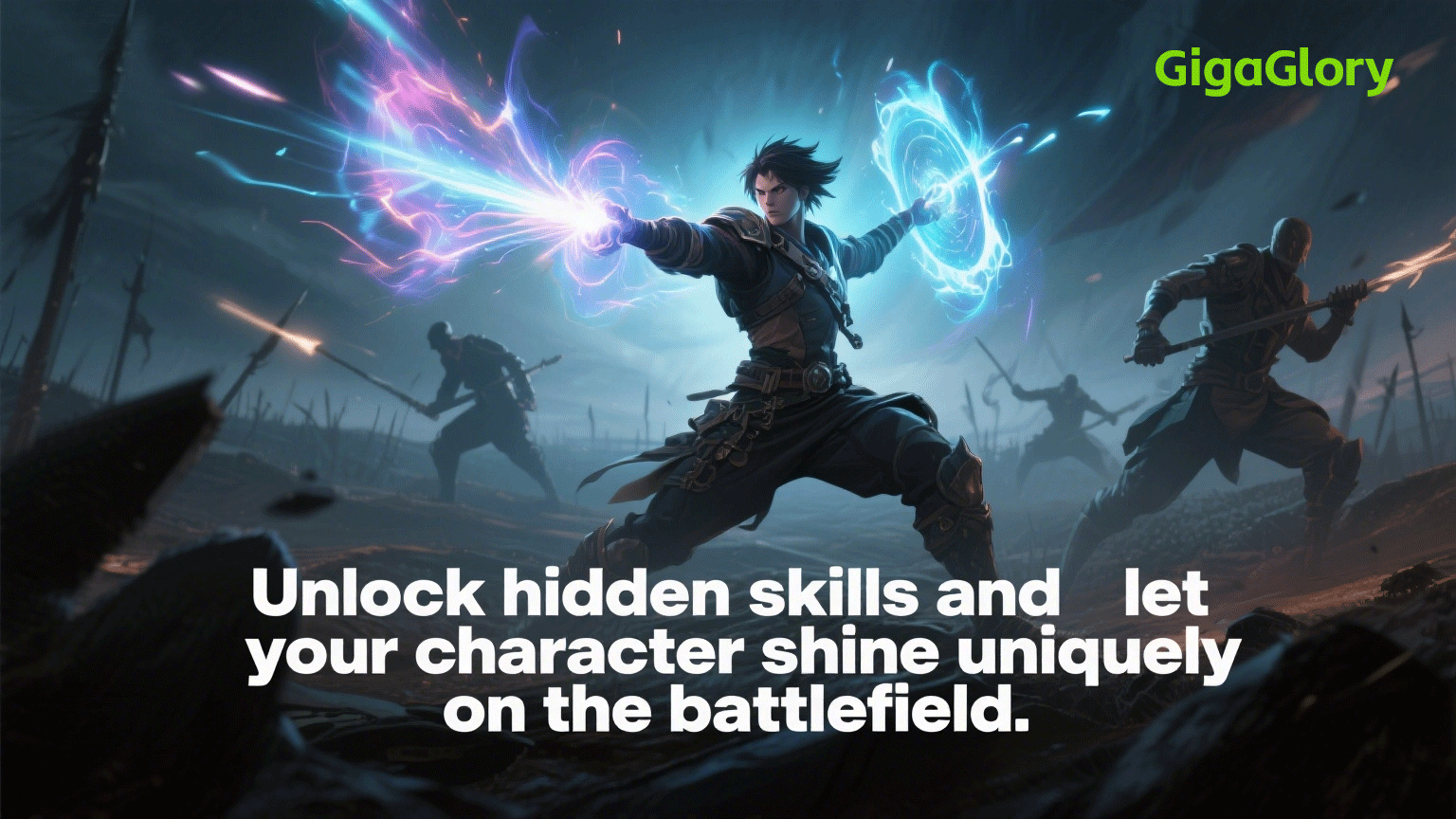
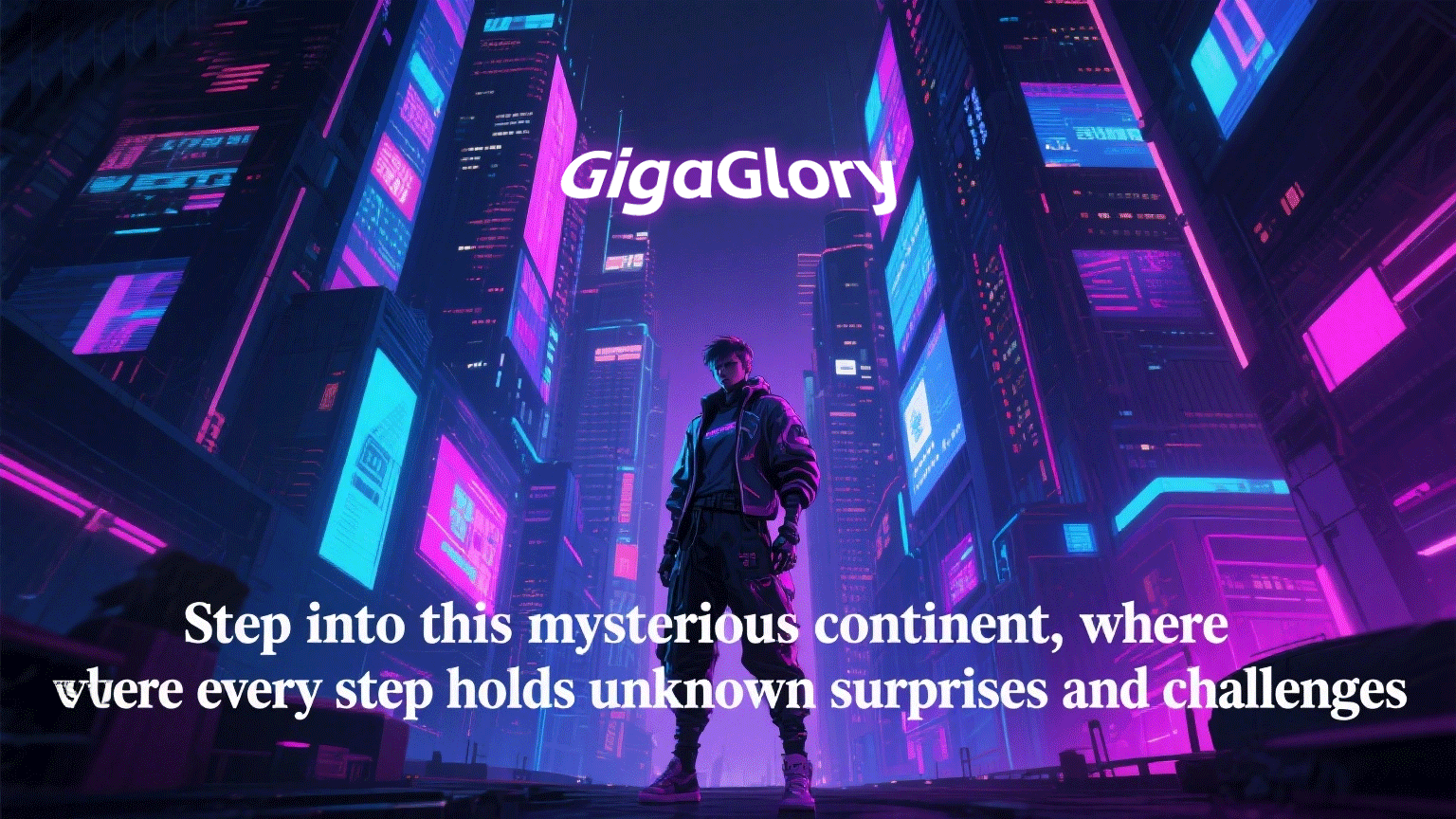
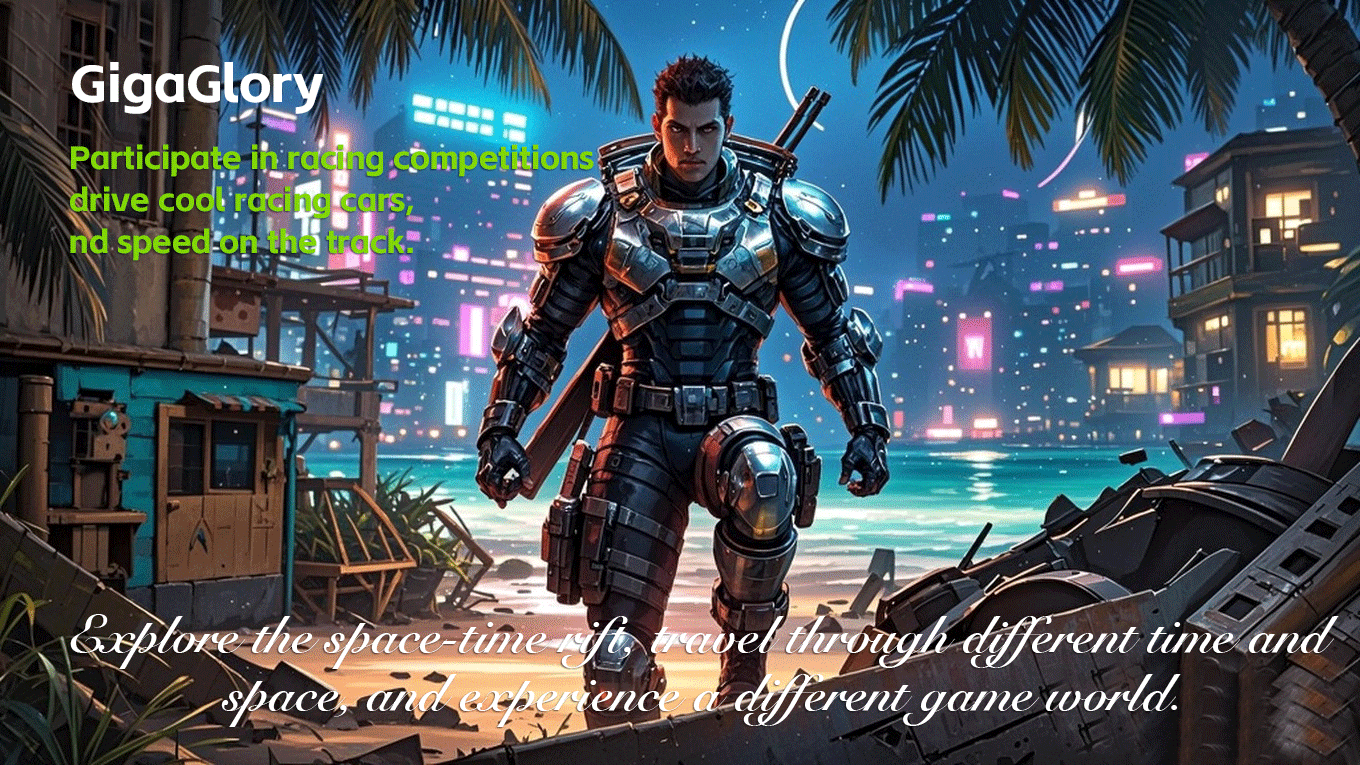
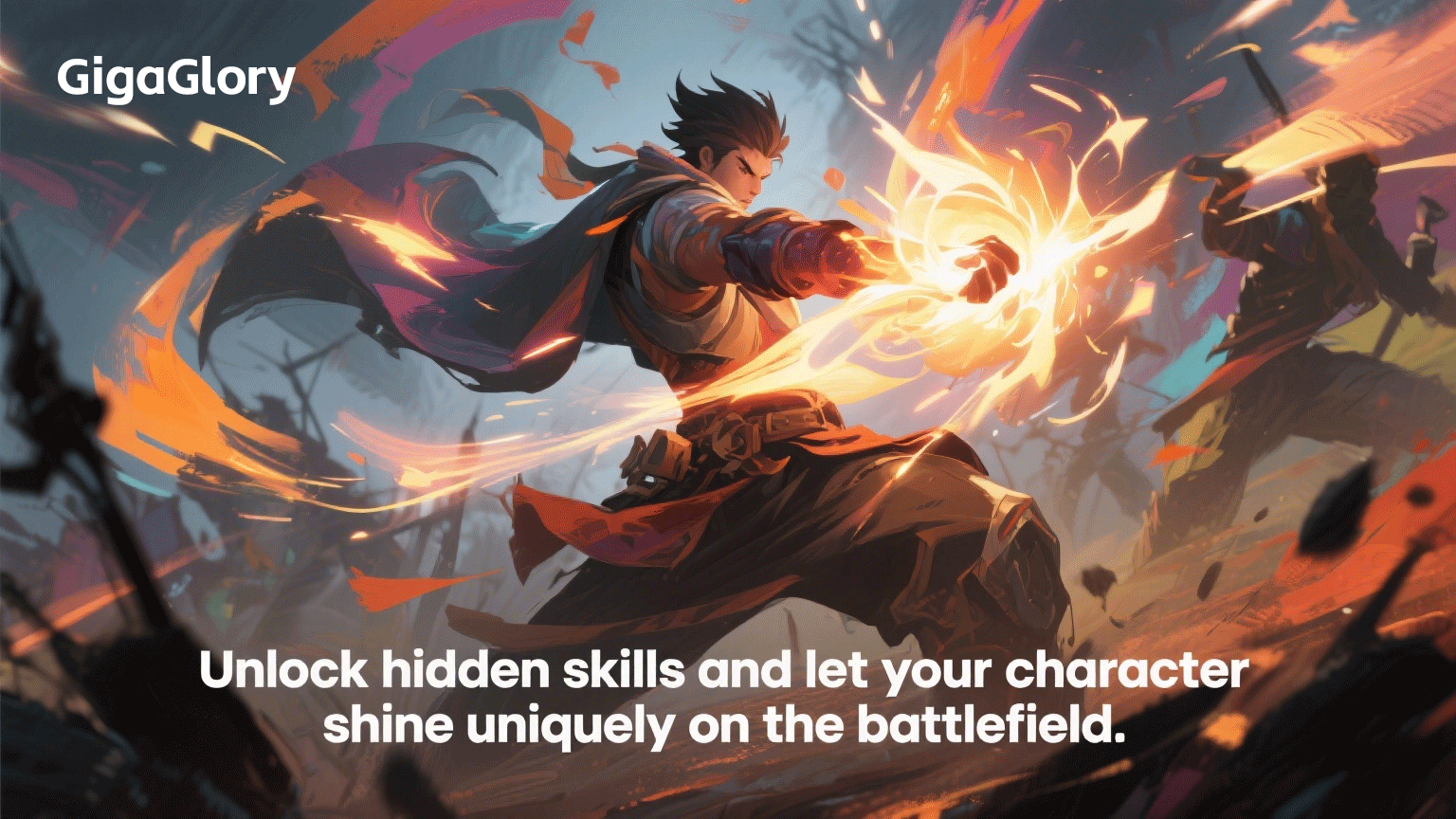
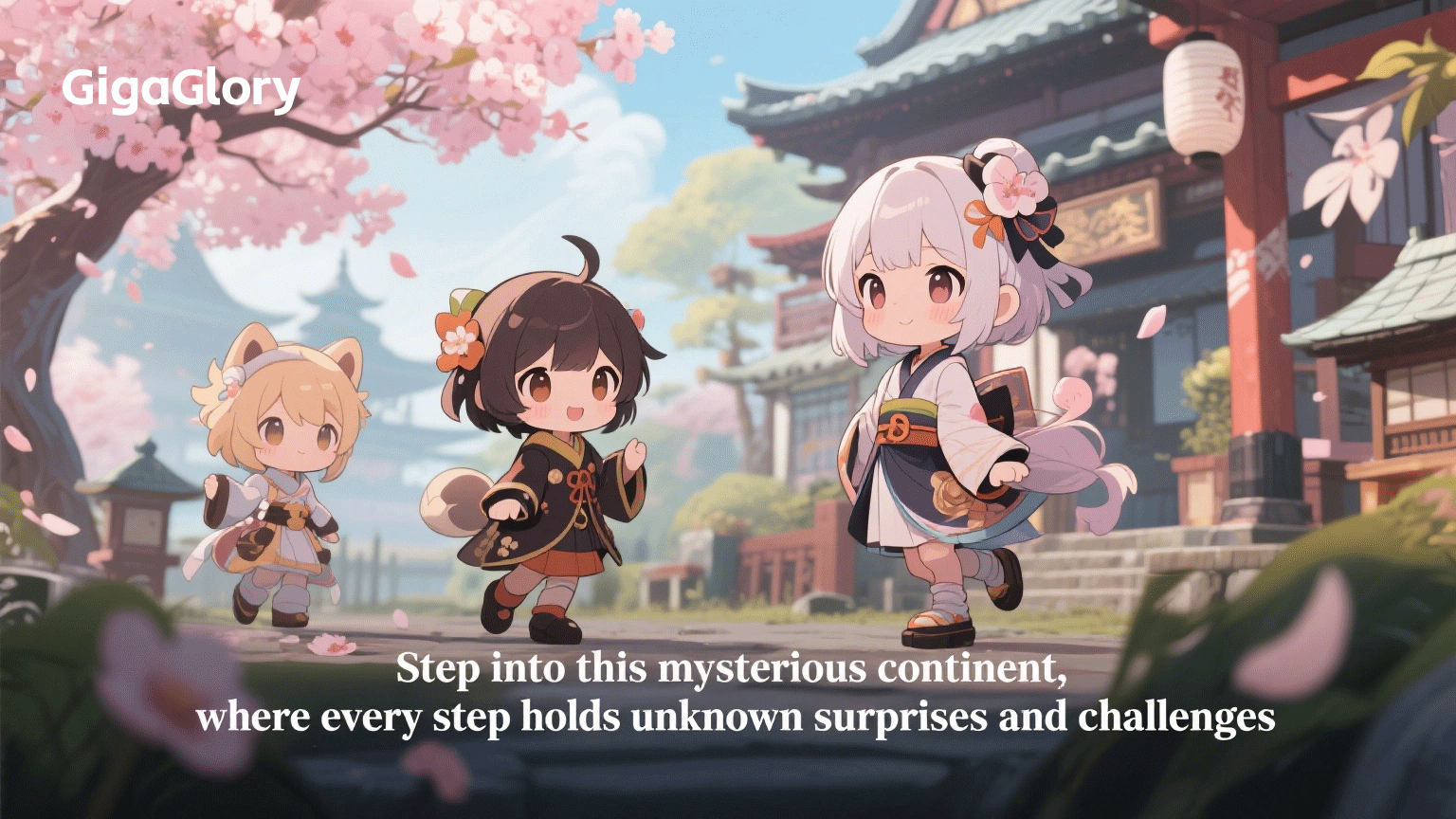
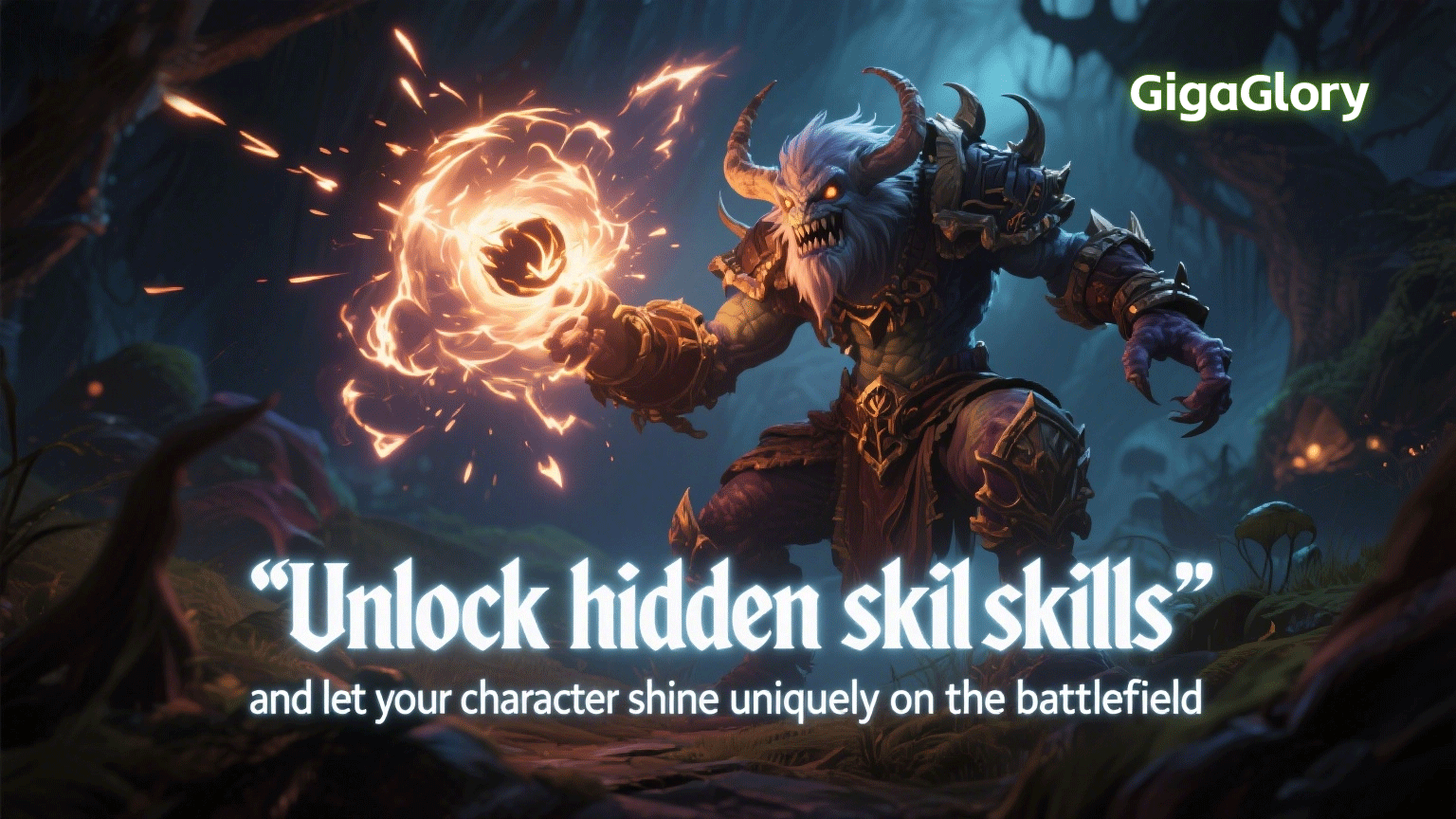
HTML5 boasts improved graphical capabilities and supports advanced audio features. Artists are leveraging these tools to create visually stunning backgrounds, character designs, and animations. The auditory experience is enhanced too, with clearer sound effects and thematic music that enriches the player's journey.
Interactive Storytelling
Storytelling in RPGs has evolved significantly with HTML5’s capabilities. Developers can integrate richer narratives with complex branching storylines, where players’ choices influence outcomes in real-time. They can engage in dialogues and missions that reflect previous decisions, creating a personalized gaming experience.
Real-Time Multiplayer Features
RPGs have traditionally relied on single-player modes, but the development of HTML5 has paved the way for real-time multiplayer interactions. Players can now join friends or strangers in quests, challenges, and even player-versus-player encounters. Engaging in cooperative play enhances the social aspect of gameplay, adding depth to the overall experience.
Top Survival RPGs with the Best AI
As gameplay evolves, so do characters' AI. Players are now encountering NPCs whose reactions dynamically change based on various interactions. Our research shows the top survival RPGs that utilize advanced AI mechanics include:
| Game Title | AI Features | Gameplay Style |
|---|---|---|
| Game 1 | Adaptive NPC Behavior | Survival |
| Game 2 | Strategic Enemy Tactics | Action-Adventure |
| Game 3 | Enhanced Decision Making | Open World |
Player Feedback and Community Involvement
Community forums like Reddit have become a hub for discussions on RPG experiences, particularly focusing on game story choices through gameplay. Players share their stories, troubleshooting issues, and suggest enhancements. This interactive feedback model has fueled developer creativity and responsiveness, enhancing the overall quality of RPGs.
Mobile Gaming Growth in RPGs
With more people relying on mobile devices for leisure activities, HTML5 RPGs are uniquely positioned to meet this demand. The ability to seamlessly transition from a laptop to a smartphone means that players can indulge in their gaming experience anytime, anywhere. This trend is particularly relevant in regions with growing mobile accessibility, such as Ecuador.
Future Trends in RPG Gaming
As technology continues to advance, so do the possibilities within RPG games. Future trends include:
- VR and AR Integration: Augmented reality can bring game elements into the real world, creating a mixed-reality experience.
- Blockchain and NFTs: These technologies may allow players to own unique items, creating a new layer of value in gaming.
- AI Companions: Further advancements in AI could lead to more sophisticated in-game companions that respond intuitively to player behaviors.
Conclusion
HTML5 is undeniably shaping the future of RPG games. With enhanced accessibility, graphics, and interactivity, it offers developers a realm of creativity that has resulted in unparalleled gaming experiences. Players today can delve into immersive worlds and make meaningful choices that resonate with their gameplay style. As the community continues to evolve, these games will only grow richer, appealing to both long-time fans and new players in Ecuador and beyond.